

Choosing between YUMI lash lift vs Korean lash lift often comes down to one question: which result matches your eyes? This guide from Lash Beauty Bar compares curl shape, root lift, finish, wear, and daily care.
The Main Difference Shows Up in the Mirror
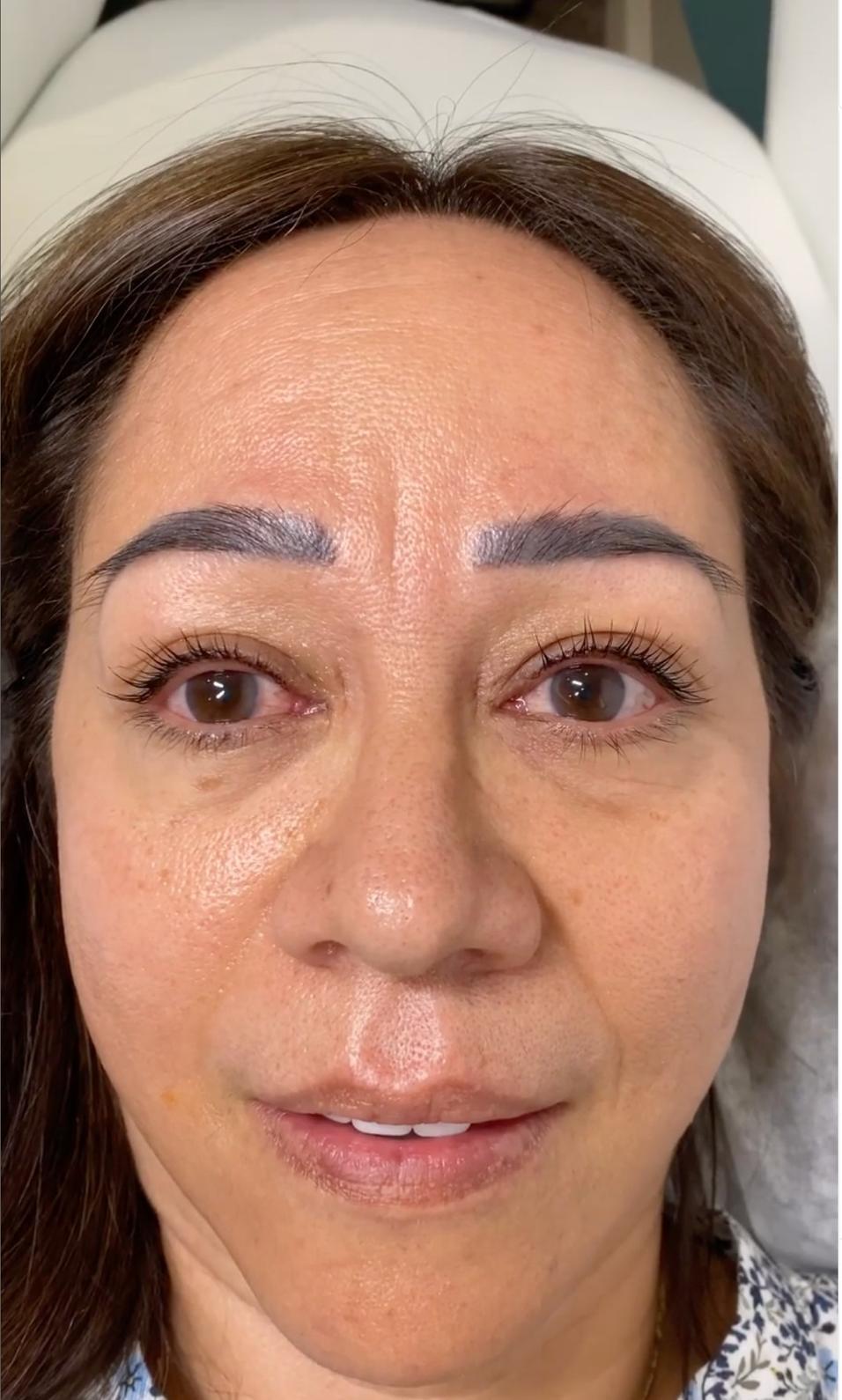
A YUMI lift is a branded French keratin lash system. It aims for a neat, glossy curl that makes natural lashes look longer and darker. YUMI now sells professional 3.0 lift products, described as faster and more consistent.
A Korean lash lift is not one fixed brand or method. The name covers root-focused approaches using flat shields, two-shield shaping, or cysteamine-based formulas. Photos can look quite different.
The simplest way to picture YUMI lash lift vs Korean lash lift is curl versus rise. YUMI often creates a polished curve. Korean methods often lift close to the base, so more lash length stays visible.
Detail
YUMI Lash Lift
Korean Lash Lift
Main effect
Smooth, groomed curl
Strong root lift
Lash direction
Curved upward
Straighter rise near the base
Finish
Glossy and polished
Light, airy, and defined
Best match
Classic, soft beauty
Visible length and open eyes
System type
One named system
A group of Korean-style methods
These are common results, not strict rules. Shield size, timing, lash length, and artist skill shape the final look.
What YUMI Lashes Usually Look Like
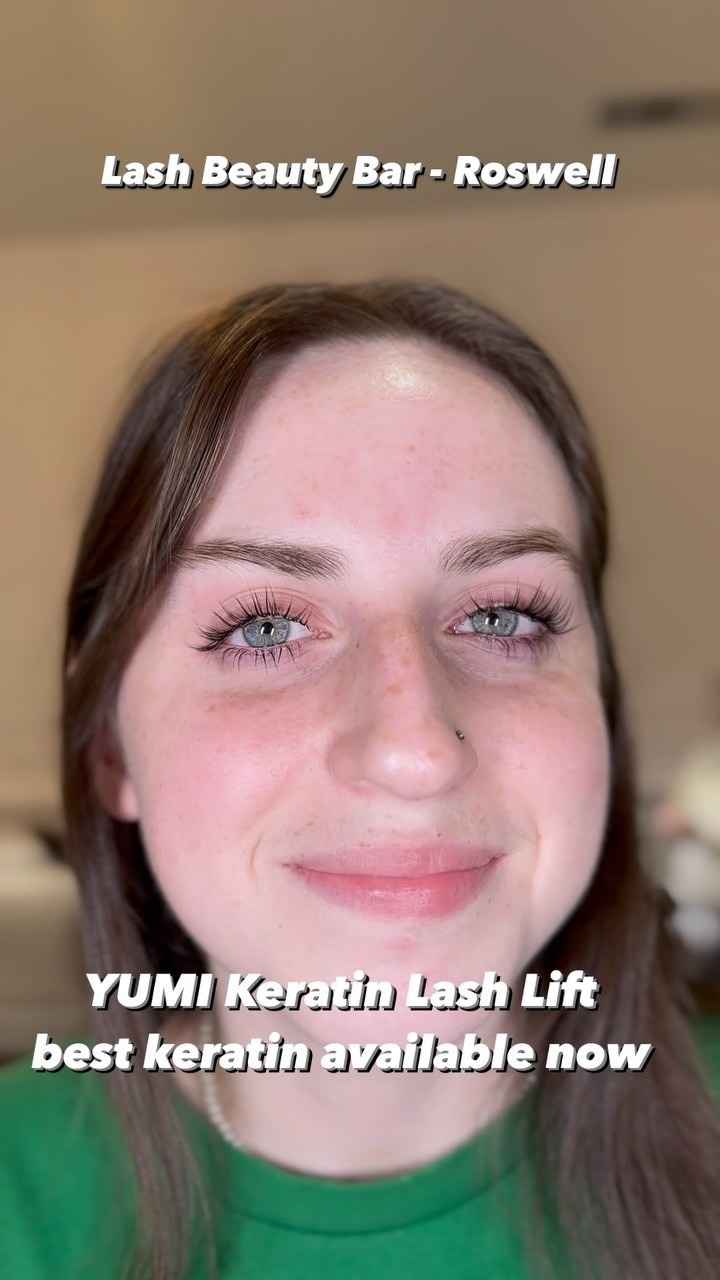
YUMI works well when you want lashes that look curled, dark, and tidy. The shape often resembles a careful curler-and-mascara finish, minus the daily work.
The curve can make the lash line look soft and feminine. It suits clients who dislike a sharp, upright lift.
Tint makes a big visual difference on pale lash tips. Many natural lashes are longer than they appear, yet light ends disappear against the skin. A darker tint reveals that hidden length.
When comparing YUMI lash lift vs Korean lash lift, YUMI often wins for shine and a classic curve. It can also suit lashes that already have some natural bend.
Lash Beauty Bar lists YUMI keratin lift results at about 8 to 12 weeks, though each lash cycle differs. The salon also pairs the treatment with a keratin oil step.
The full YUMI lash lift review 2025 covers wear, care, and tint. It’s useful when you want to see how the service fits a low-makeup routine.
What a Korean Lash Lift Usually Looks Like
Korean-style lifts place more attention near the lash root. That lower starting point can reveal extra length, mainly on straight or downward-growing lashes.
The result often looks less ‘curled over’ and more lifted upward. Eyes may appear wider because the lashes stop casting a small shadow over the lid.
Some Korean methods use flatter shields. Others use a second shield to shape the upper section after the root has lifted. Product choice also varies, so the term does not promise one set finish.
The root-focused style can suit monolids, hooded lids, and lashes that point down. A high curve may fold back toward the lid on some eye shapes. A straighter lift keeps the tips farther from the skin.
In YUMI lash lift vs Korean lash lift, Korean methods often create the stronger ‘eye-opening’ change. A trained artist can still keep the top section soft, clean, and natural.
Which Result Fits Your Natural Lashes?
Your starting lashes matter more than trend photos. The same shield can look gentle on short lashes and quite strong on long ones.
Straight or Downward-Growing Lashes
Korean-style lifting often works well for lashes that hide beneath the lid line. A close root rise exposes more of each hair and can make the eyes look more awake.
YUMI can still lift straight lashes well. The finish may show more curve through the middle and tips. Choose it when you want a softer profile.
Long Natural Lashes
Long lashes already have visible length. They often need control, shape, and clean spacing rather than the highest possible rise.
YUMI can give long lashes a balanced arc. A Korean method also works, yet the artist should avoid pushing the tips against the upper lid.
Short, Pale, or Sparse Lashes
Short lashes can look longer after each service. Korean root lift may show more of the shaft from the front. YUMI can create a softer curl from the side.
Tint matters just as much for pale lashes. Darkening fine tips creates a fuller outline, mainly in photos and bright daylight.
No lash lift adds new hairs, so density stays the same. Careful separation stops sparse lashes from gathering into a few thick groups.
For this part of YUMI lash lift vs Korean lash lift, YUMI may suit clients who want a richer, glossy finish. Korean lifting may suit clients who care more about root height and visible length.
How YUMI Lash Lift vs Korean Lash Lift Ages
Fresh results get most attention, yet grow-out matters too. Natural lashes shed at different times, so the shape mixes with new, untreated hairs.
A YUMI curl usually softens as new lashes appear. Older hairs may keep a curved shape while newer hairs sit lower. Daily brushing keeps the lash line looking neat.
A Korean root lift can show a stronger contrast during grow-out. New straight hairs may sit below the older lifted ones. The mixed direction can look less uniform near the end.
The YUMI lash lift vs Korean lash lift comparison also changes as the weeks pass. YUMI may fade into a softer curve. A Korean lift may keep more root height before new growth becomes visible.
Lash Beauty Bar advises keeping fresh lifts dry for the first 24 to 48 hours. Oil-heavy products, steam, rubbing, and face-down sleep can disturb the new shape.
The detailed aftercare for Korean lash lift explains those early rules. Good care protects the shape, yet your natural growth cycle still sets the true wear time.
Treatment Time and Comfort Feel Similar
A professional lash lift usually takes about 45 to 90 minutes. Lash Beauty Bar lists its keratin lift appointment at about 100 minutes, plus extra time for tint.
Your eyes stay closed as the artist cleans, shields, lifts, sets, and conditions the lashes. Thick lashes may need different timing than fine lashes.
Most clients describe the service as calm and painless. Lash Beauty Bar reviews often mention clean rooms, gentle work, and clients falling asleep during lift appointments.
Which Lift Looks Better?
No single result looks better on every person. The right choice matches your lash direction, eye shape, and preferred finish.
Pick YUMI when you like a smooth curve, darker tips, and a groomed look. It works well when you want lashes that resemble soft mascara all day.
Pick a Korean-style lift when you want the roots to stand higher. It may suit straight lashes, downward growth, monolids, or hooded eyes where visible length matters most.
Bring one front-view photo and one side-view photo to your consultation. The front shows root height, and the side shows the bend you like.
Share your ‘no’ list too. Say if you dislike tight curls, flat tips, sharp roots, or lashes touching the lid. Those details guide shield choice far better than trend names alone.
The final YUMI lash lift vs Korean lash lift decision should focus on the result you want each morning. Lash Beauty Bar can assess your natural lashes and shape the lift around your eyes. Book an appointment to choose a curl that looks clean, open, and natural.
FAQs
Is a Korean Lash Lift the Same as a Keratin Lash Lift?
No. Korean lash lift describes a family of methods and visual styles. A keratin lash lift describes a system that includes a keratin care step.
Does YUMI Create a Stronger Curl?
YUMI often creates a smooth, rounded curve. Curl strength still depends on shield size, lash length, timing, and the artist’s plan.
Which Lift Makes Lashes Look Longer?
A Korean root lift may reveal more visible length on straight lashes. YUMI can also make lashes look longer when tint darkens pale tips.
Which Option Looks More Natural?
That depends on your lash direction. A soft Korean lift may suit downward lashes, while YUMI may suit lashes with an existing bend.
How Long Do Results Last?
Most lifts remain visible for several weeks. Lash Beauty Bar states that its YUMI keratin service may last 8 to 12 weeks, based on growth and care.
How Soon Can Lashes Get Wet?
Wait 24 to 48 hours unless your artist gives different product-based directions. Avoid steam, heavy sweat, and rubbing during that period.