

Sensitive eyes can turn a simple lash removal into a tense moment. This Lash Beauty Bar guide explains how lash glue remover for sensitive eyes works, what to avoid, and when salon care makes more sense.
Why Lash Removal Can Feel Harsh on Sensitive Eyes
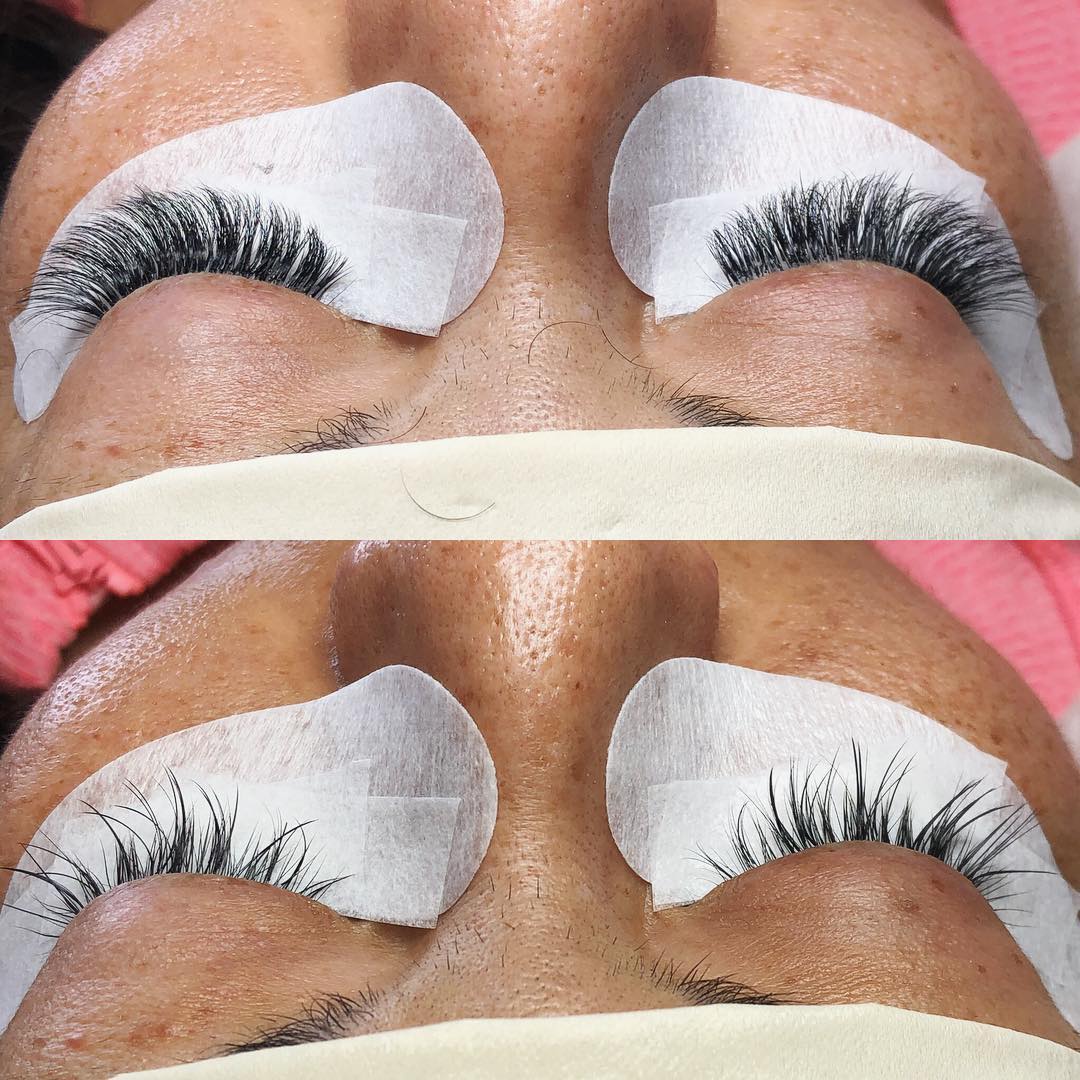
Extension adhesive must hold through washing, sleep, and normal lash shedding. A remover breaks that bond, but fumes, tape, skin contact, or rubbing may bother sensitive eyes.
The FDA notes that eyelids are delicate and may develop irritation or an allergic reaction from lash adhesives. Care also matters during removal because a tool, pad, or product can scratch nearby tissue.
A person may blame the remover when the old adhesive caused the first problem. Redness, itching, watery eyes, and swollen lids can appear hours or days after lash application.
That difference matters. Lash glue remover for sensitive eyes can loosen adhesive without pulling, but it cannot treat an allergy already in progress.
Irritation and Allergy Are Not the Same

Mild irritation may start during removal and fade after the product leaves the skin. An allergy often brings itching, puffiness, redness, or symptoms that return after each lash appointment.
A review of published cases found allergic blepharitis in 79% of reported eyelash extension complications. That number reflects published cases, not every lash client.
Pain, light sensitivity, discharge, or changes in sight need prompt eye care. Those signs go beyond the normal ‘slight sting’ some people expect from beauty products.
What Makes a Lash Remover Feel Gentler?
A calming label tells only part of the story. Texture, placement, timing, and artist control shape the removal experience.
Cream and gel removers stay close to the adhesive bond. Their thicker texture gives an artist more control than a thin liquid.
Still, no formula can promise zero irritation. Lash glue remover for sensitive eyes works best when the remover stays on the extension base, away from the eyelid and eye surface.
Cream Remover
Cream remover has a thick, paste-like feel. Lash artists often choose it for full removals because it sits in place and softens several bonds at once.
The texture suits clients who worry about product movement. The artist still needs a small amount and steady control.
Gel Remover
Gel remover feels lighter and spreads faster. It can work well for small corrections or a set that needs targeted removal.
Fast spread calls for steady placement. Too much gel may move past the lash line.
Oil-Based Products
Oil can weaken some lash bonds over time. Yet household oils do not act like a salon remover, and they may leave the eye area greasy or irritated.
Home oil methods can lead to rubbing when lashes stay put. Our guide on how to remove eyelash glue without remover explains why patience matters.
Read the Label Before the Product Reaches Your Eyes
Choose a remover made for extension adhesive, not nail glue, hair glue, or strip-lash glue. Similar packaging does not make products eye-safe.
FDA guidance says products used near the eyes should be made for that purpose. It also tells users to check ingredient labels and stop use after irritation appears.
A good lash glue remover for sensitive eyes needs clear directions, a full ingredient list, and sealed packaging. Skip old jars or products with changed texture.
‘Hypoallergenic’ sounds reassuring, but it does not mean reaction-free. Past comfort with lash glue also does not prove that a new remover will feel the same.
Tell the Lash Artist About Past Reactions
Share any history of swelling, burning, watery eyes, dry eye, or skin allergies. Mention which eye reacted and how long it lasted.
Bring the product name if a past salon recorded it. This helps the artist avoid the same adhesive, tape, pad, or remover.
A patch test may help flag skin sensitivity, but it cannot copy the exact eyelid setting. The eye area is thinner and more reactive than the arm or wrist.
Why Professional Removal Usually Feels Better
Professional removal limits pulling and keeps remover in a small work zone.
A trained artist shields the lower lashes, places remover on the bonds, and waits. Extensions should release with light movement, not force.
That control makes lash glue remover for sensitive eyes safer than a rushed bathroom attempt. It also gives the artist a chance to stop at the first sign of burning, tearing, or skin change.
Clients can review Lash Beauty Bar’s eyelash extension service and discuss past sensitivity during a consultation.
Pulling Creates a Bigger Problem
Loose extensions may still hold the natural lash. Pulling can break it or remove it before normal shedding.
Tweezers near an open eye add risk. Steam, hot towels, and rubbing may worsen discomfort without breaking the bond.
Read best way to remove eyelash extensions before trying a home method. The safest choice may be to pause and book a removal instead.
What to Do if Remover Gets Into the Eye
Stop the removal at once. Remove contact lenses, avoid rubbing, and rinse the eye with clean, lukewarm water for 15 to 20 minutes.
Poison Control advises immediate rinsing after a product enters the eye. Ongoing pain, blurred sight, or light sensitivity needs medical review.
Do not add oil, makeup remover, or random drops after a splash. Use water or sterile saline unless a clinician says otherwise.
A salon should never ‘push through’ sharp pain. Removal can wait until the eye settles and a clinician rules out injury.
Watch the Skin Around the Eye Too
The eyelid may react without direct eye contact. Watch for swelling, rash, strong itching, warmth, or raw skin.
Stop all lash products until the cause is clear. The Lash Beauty Bar article on eyelash extension allergic reaction explains common warning signs and when to seek care.
Prepare for a Calmer Removal Appointment
Arrive without mascara, liner, or oily eye makeup. Clean lashes let the artist see the adhesive bonds and use less remover.
Take contact lenses out before the service. Bring glasses for the trip home if your eyes often feel dry after beauty appointments.
Ask which remover type the salon plans to use. Lash glue remover for sensitive eyes should be applied in a controlled amount, then removed fully before the eyes open.
Plan enough time so nobody rushes. Full removal may take longer when the set is dense, the adhesive is fresh, or the eyes need short breaks.
Fresh adhesive often needs more soak time than an older set. A dense volume set may also need work in small sections, so the artist can keep remover away from skin. That slower pace is a good sign, not poor service.
The article what removes eyelash extensions compares salon products and common home ideas before your appointment.
Lash Beauty Bar Keeps Comfort Part of the Service
Sensitive eyes need a careful plan, not a one-size setup. Lash glue remover for sensitive eyes should fit your lash health and reaction history.
Clients praise the Roswell studio for gentle care, clean rooms, and calm service. Free lash consultations let clients raise concerns before treatment.
Review eyelash extension choices before a new set, or ask the team about careful removal.
Choose Calm, Controlled Lash Removal
The right lash glue remover for sensitive eyes should soften the bond without turning removal into a tugging match. Product choice matters, but careful placement and patient timing matter just as much.
Lash Beauty Bar can remove extensions, review past reactions, and plan a better fit for future appointments. Book an appointment for professional lash care in Roswell.
FAQs
Can Sensitive Eyes Use Lash Glue Remover?
Yes. The product should be made for extension adhesive and kept away from the eye surface. An artist can stop quickly if discomfort starts.
Is Cream Remover Better Than Gel Remover?
Cream remover stays in place and often suits full removals. Gel spreads faster and may suit smaller areas, but placement still matters.
Does Hypoallergenic Remover Prevent Every Reaction?
No. The term does not promise full tolerance. Ingredients, fumes, tape, and friction may still trigger symptoms.
Can Coconut Oil Remove Lash Extensions?
Oil may weaken bonds slowly, but it rarely gives a clean release. Rubbing during the wait may harm natural lashes.
Should Contact Lenses Stay In During Removal?
No. Remove contacts before the service. This makes rinsing simpler if a product enters the eye.
How Long Does Professional Lash Removal Take?
Timing depends on adhesive strength and set density. Many removals take 20 to 40 minutes, though some sets need longer.
When Should Eye Symptoms Get Medical Care?
Seek prompt care for strong pain, blurred sight, light sensitivity, discharge, or worsening swelling. Rinse after direct contact, then call an eye doctor or urgent care.