
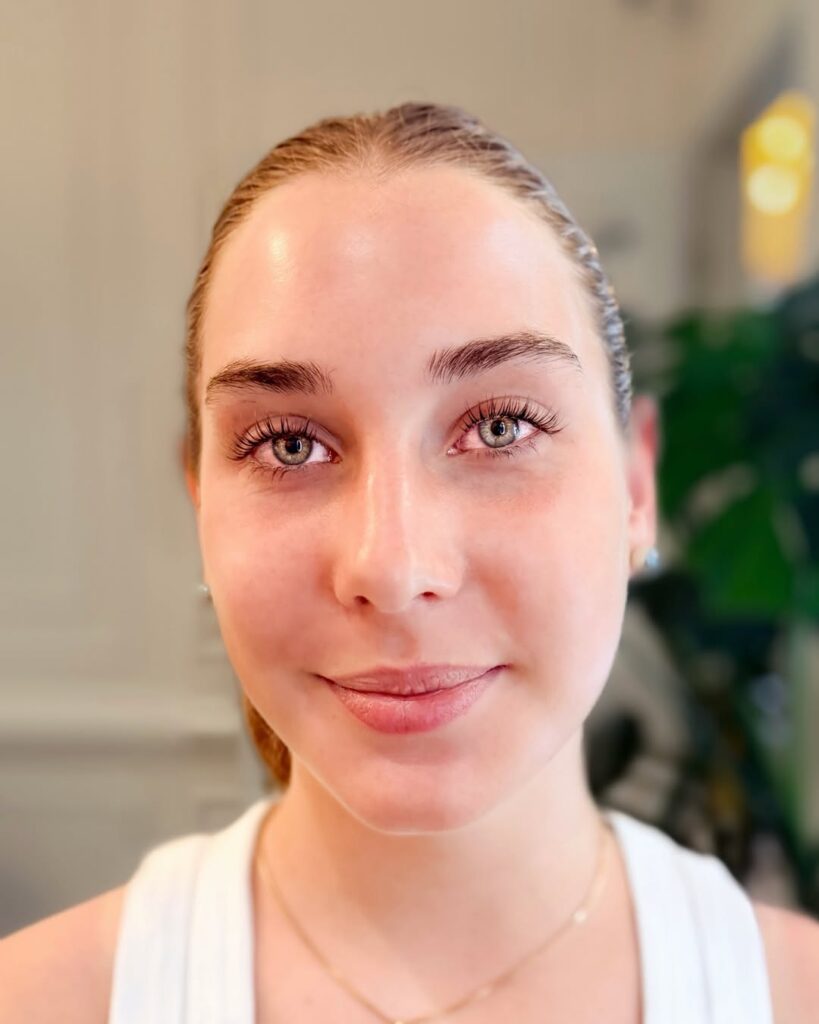
Straight lashes can hide their true length, even under two coats of mascara. This Lash Beauty Bar guide compares korean lash lift vs regular treatments, so you can choose your curl with less guesswork.
Why So Many Clients Compare These Two Lash Lifts
A lash lift shapes your own lashes instead of adding fake fibers. It can open the eyes and cut daily curling time.
The real choice sits in the method. A Korean-style lift often softens the lashes first, then shapes them on another shield.

A standard lift usually shapes lashes on one rod or shield during the main steps. The method affects the root lift and finished look.
Clients often search korean lash lift vs regular after seeing tall Korean curls online. The photos may look alike, yet the base shape often tells the full story.
What Is a Regular Lash Lift?
A regular lash lift curls natural lashes on a silicone rod or shield. The artist cleans the lashes, places them neatly, then applies lifting and setting lotions.
Many standard systems use glue or balm to hold each lash in place. Shield size, lotion timing, and lash direction decide how soft or strong the curl looks.
Traditional systems often use thioglycolate, also called TGA. Some regular systems use cysteamine, so the product label matters more than the service name.
Korean Lash Lift vs Regular Lash Lift: A Side-by-Side Breakdown
The korean lash lift vs regular choice is not a good-versus-bad debate. Each method can create clean results when the artist reads the lashes well.
The Formula Difference: Cysteamine and TGA
Many Korean-style systems use cysteamine because it softens lash bonds more slowly. That pace gives the artist more time to check the lashes before setting their new shape.
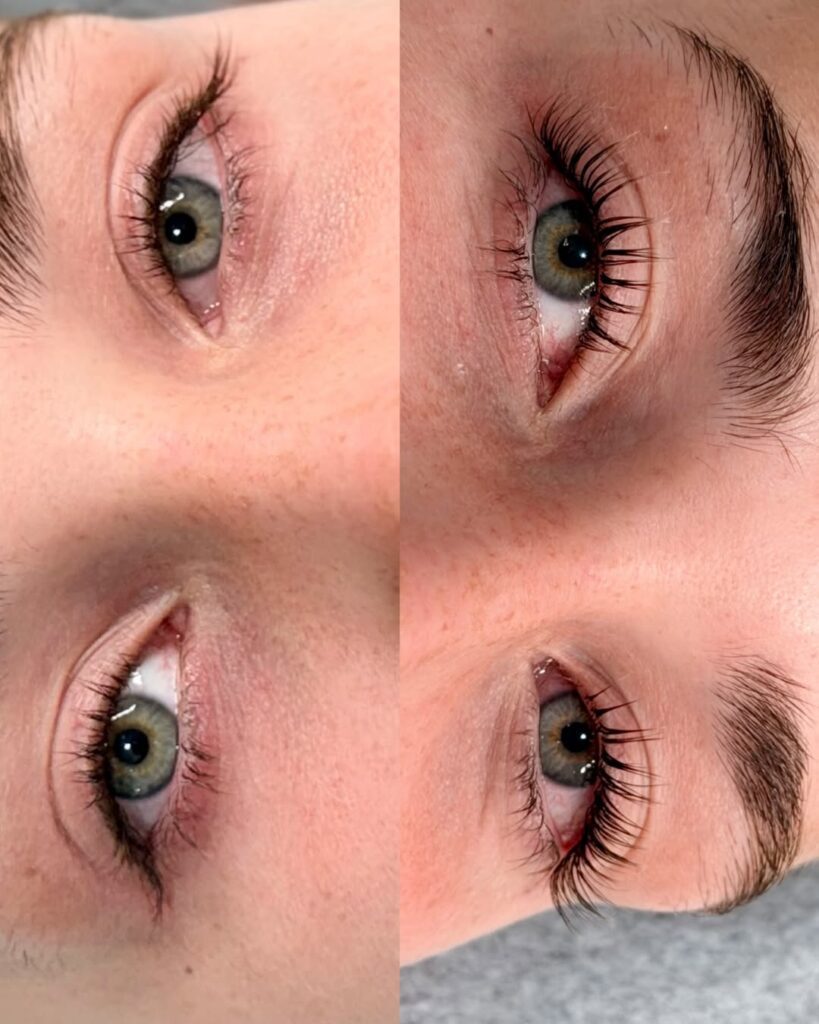
TGA works faster and can suit firm, resistant lashes. It can still work well, yet its timing window often gives the artist less room for error.
Korean lifting is a technique, not one fixed product. Some Korean methods use TGA, though many artists prefer cysteamine for full-lash work.
This part of korean lash lift vs regular matters most on fine, dry, or stressed lashes. A slower lotion may give more control, but poor timing can still leave lashes weak.
Adhesive Versus Glueless Placement
A standard lash lift often uses water-soluble glue or balm. The artist places the lashes on the shaping shield before the lifting lotion goes on.
Many Korean methods soften lashes on a flat shield first. Powder may be mixed into the lotion, making a tacky paste that holds lashes without classic glue.
The word ‘glueless’ can be loose. Some artists still use a small amount of balm during the shaping step.
Korean methods may also use a flat shield first, then a second shield for the final curl. This helps the artist work close to the roots.
Curl Style and Overall Finish
A regular lift often creates a smooth C-shaped curl. The lashes rise and bend in one flowing line.
A Korean lift often puts more focus near the base. The result can look taller and straighter at the root, followed by a softer curve near the tips.
That root lift suits lashes that grow down or sit flat against the lid. It can reveal hidden lash length.
The korean lash lift vs regular finish also depends on shield choice. A small shield creates a tighter curl, while a larger one gives a softer sweep.
No method should leave lashes bent into a sharp ‘L’ shape. Kinks can point to poor shield placement, excess pull, or wrong timing.
Lash Feel and Long-Term Condition
Cysteamine systems often leave lashes feeling soft when the formula matches the hair. A final conditioning step may follow.
TGA systems can create crisp results on strong lashes. They still need close timing, since overworked tips may look dry or frizzy.
Neither method protects lashes on its own. The artist must check thickness, prior lifts, dryness, and visible damage before starting.
A professional YUMI keratin lash lift takes a related route. It pairs the lifting service with keratin care for clients who want a polished curl and soft finish.
Which Lash Lift Lasts Longer?
Most professional lash lifts stay visible for about six to eight weeks. Your lash cycle, skin oils, heat, makeup, and home care can change that timeline.
A Korean lift does not always last longer because it uses a newer method. Strong root placement may stay easy to see as the curl starts to soften.
The same rule applies to a regular lift. Clean prep and correct timing often matter more than the trend name on the menu.
When comparing korean lash lift vs regular, ask what the salon means by each service. Product choice, shield plan, and artist training give a clearer answer than the label.
Who Should Choose a Korean Lash Lift?
A Korean-style lift often works well for straight, thick, or downward lashes. It can also suit lashes that resist wrapping on a curved shield.
Clients who want a tall root lift may prefer this look. The finish can look clean and close to a lengthening mascara effect.
Short lashes may gain more visible height near the base. Yet a lift cannot add real length, so very sparse lashes may still look light.
The Korean method may also suit clients who dislike a tight curl. A skilled artist can raise the roots while keeping the tips soft.
Who Should Choose a Regular Lash Lift?
A regular lift suits clients who like a soft, classic curl. It also works well on lashes that already hold shape without much resistance.
The process is familiar to many trained artists. Standard shields also give a wide choice of curl shapes for different eye styles.
Clients who have had good results from the same system may not need to switch. ‘New’ does not always mean better for every lash type.
Visit time depends on the system used. Careful lash checks still matter during each lotion step.
Aftercare Still Decides How the Lift Ages
Fresh lifts need a calm first day. Avoid steam, heavy eye makeup, rubbing, and face-down sleep during the setting time your artist gives you.
After that, brush the lashes with a clean spoolie and remove makeup gently. A light lash serum can keep treated hair from feeling dry.
The full aftercare for Korean lash lift routine covers washing, mascara, sleep, oils, and daily brushing. Those steps also support many regular lifts.
Mascara can often return after 24 to 48 hours, based on the system. Skip hard curling tools, since lifted lashes already hold a set shape.
Good care cannot repair poor processing. It can help a well-done lift stay neat as fresh lashes grow beside treated ones.
Which Lash Lift Makes More Sense for You?
Choose the method that matches your lash pattern and goal. Straight, stubborn lashes may suit a Korean root lift, while softer lashes may respond well to a regular curl.
The best korean lash lift vs regular answer starts with a close lash check. Your artist should study lash length, strength, direction, and past treatments before choosing the lotion.
Bring one clear photo of the curl you like. Words like ‘natural’ and ‘dramatic’ can mean different things to each person.
About Lash Beauty Bar
Lash Beauty Bar serves clients from Roswell, Alpharetta, Johns Creek, and nearby North Atlanta areas. The studio plans lash and brow work around natural hair, eye shape, and daily routine.
Master lash stylists discuss curl goals before treatment. They can compare regular, Korean-style, and keratin choices without pushing one method for every client.
Guests often mention the clean studio, calm rooms, gentle service, and natural-looking results. Some said friends mistook their lifted lashes for extensions.
Ready to settle the korean lash lift vs regular question for your own lashes? Book an appointment at Lash Beauty Bar for a personal lash check and curl plan.
FAQs
Is a Korean lash lift better than a regular lash lift?
It can suit straight, thick, or downward lashes that need strong root lift. A regular lift may suit clients who want a softer curve.
Does a Korean lash lift last longer?
Not always. Most lifts last about six to eight weeks, based on lash growth and care.
Is a Korean lash lift truly glueless?
Some methods skip classic glue during the first step. Others use powder-thickened lotion or a small amount of balm during shaping.
Does cysteamine make a lash lift safer?
Cysteamine works more slowly than TGA and may give the artist more checking time. Poor timing can still dry or weaken lashes.
Can short lashes get a Korean lash lift?
Yes, when there is enough length to place and shape. A root-focused method can show more lash, but it cannot add length or density.
How often can you repeat a lash lift?
Many brands suggest waiting six to eight weeks and checking lash condition first. Dry, weak, or uneven lashes may need more recovery time.