

If you’ve ever looked at your cleanser bottle and wondered, “Can this ruin my lashes?” you’re not being dramatic. What cleanser is safe for eyelash extensions matters because the wrong one can weaken lash glue fast. This guide from Lash Beauty Bar will show you what to use, what to avoid, and how to keep your lash line clean without overthinking it.
What Cleanser Is Safe for Eyelash Extensions?
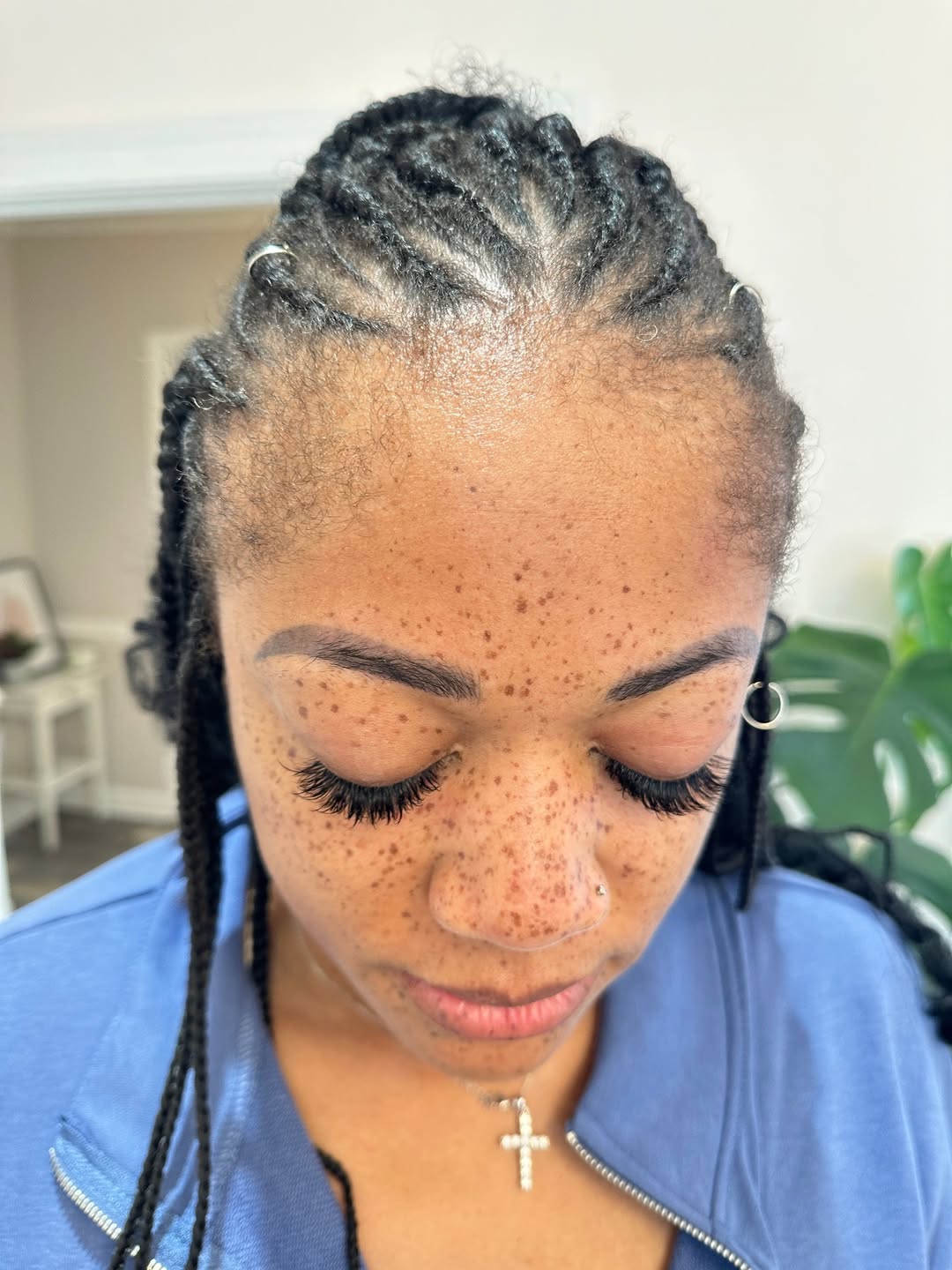
The safest cleanser for eyelash extensions is a gentle, oil-free foaming lash cleanser made for extensions. That’s the straight answer. It should clean sweat, makeup, dust, and skin oils without breaking down the adhesive.
A good lash cleanser shouldn’t feel greasy. It shouldn’t sting. It shouldn’t leave a film on your lashes either. Think soft foam, clean rinse, and no heavy residue hanging around your lash line.
The label matters. Look for these words:
- Oil-free
- Sulfate-free
- Alcohol-free or low-alcohol
- Fragrance-free or low-fragrance
- Safe for lash extensions
- Safe around the eye area
Foaming formulas tend to work best because they spread through the lashes without heavy rubbing. Creamy cleansers and cleansing balms feel nice on the skin, but they’re usually bad news for lash glue.
If you’re new to an eyelash extension, ask your lash artist what they recommend before buying random products online. Lashes are cute, but lash glue is picky.
For a deeper product-style guide, you can also read our article on the best eyelash extension cleanser.
Why Regular Face Wash Can Be Risky for Lash Extensions
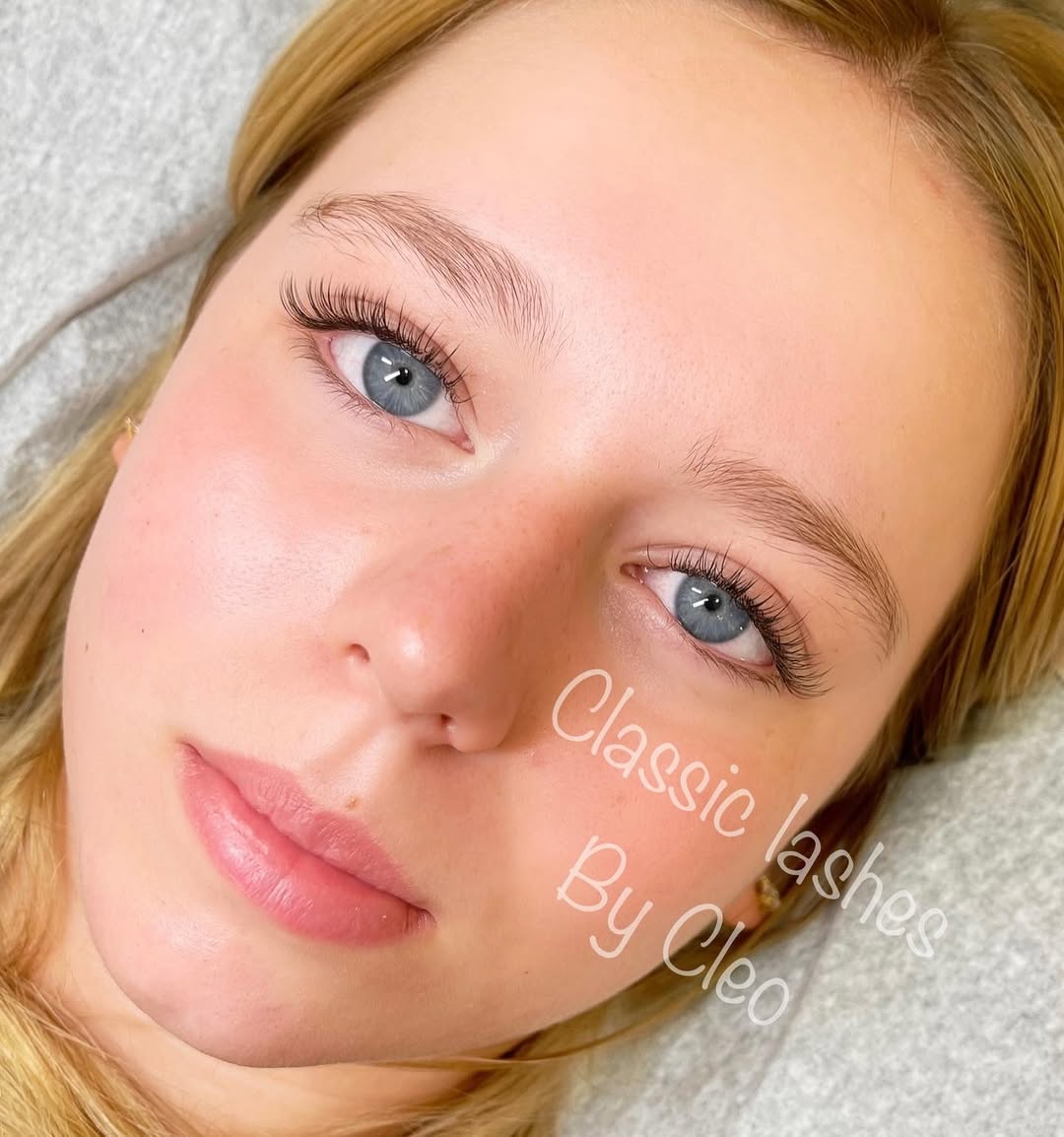
A regular face wash may be great for your skin and still terrible for lash extensions. Annoying, right? The problem is that many cleansers are made to remove oil, sunscreen, waterproof makeup, and long-wear products.
That often means stronger ingredients. Around lash extensions, those can be too much.
Many regular face washes include oils, creamy emollients, strong surfactants, fragrance, or alcohol-heavy blends. These can slowly weaken the bond between your natural lash and the extension. You may not see a disaster overnight. More often, retention just gets worse.
One day your lashes look fine. Then suddenly they’re twisting, slipping, or shedding faster than usual.
Baby shampoo gets mentioned a lot too. It sounds gentle, but it’s not the best pick for extensions. Some formulas still contain fragrance or cleansing agents that aren’t ideal for the eye area. Plus, baby shampoo wasn’t made for lash adhesive.
What cleanser is safe for eyelash extensions? A cleanser made for lashes. Not baby shampoo. Not a random face wash. Not a makeup remover that says ‘gentle’ on the front but hides oils in the ingredient list.
If you want a step-by-step routine, read our guide on How to clean eyelash extensions.
Ingredients To Avoid In A Lash Extension Cleanser
This is where the bottle label gets real. You don’t need to become a chemist. You just need to know the usual troublemakers.
We’ll walk through the main ingredients that can make lash retention worse. Some sound harmless. Some are common in skincare. Still, around lash extensions, they can cause problems.
- Oils: Avoid coconut oil, mineral oil, castor oil, jojoba oil, and cleansing oils. Oil can loosen lash adhesive and make extensions slide off sooner.
- Glycols: Propylene glycol and butylene glycol can show up in many beauty products. They may weaken adhesive over time, especially with daily use near the lash line.
- Strong sulfates: These can feel harsh around the eyes. They may also dry the skin near your lash line.
- Heavy fragrance: Fragrance can bother sensitive eyes. It can also make cleansing feel uncomfortable.
- Alcohol-heavy formulas: Too much alcohol can dry the lash line and make the adhesive more brittle.
- Creamy makeup removers: These often leave residue. That residue can cling to extensions and attract more buildup.
A small amount of residue might not seem like a big deal. But lashes live close to your eyes, and buildup collects fast. Makeup, oil, sweat, and dust can sit at the base of the extensions. That’s when lashes start looking clumpy instead of soft.
If eye makeup is part of your routine, read our article on how to remove makeup with eyelash extensions.
What A Good Lash Cleanser Should Feel Like
A lash cleanser should feel boring in the best way. No burning. No greasy slip. No weird film. Just clean lashes.
That’s the goal.
You shouldn’t have to scrub hard. If a cleanser only works when you rub like crazy, skip it. Lash extensions need a soft touch. The foam should move through the lashes easily and rinse away without drama.
A good cleanser usually feels:
- Light: It shouldn’t weigh the lashes down or make them look flat.
- Soft on the eyes: Mild tingling can happen if product gets too close, but burning isn’t normal.
- Clean after rinsing: Your lashes shouldn’t feel coated or sticky.
- Easy to brush through: Once dry, your lashes should separate nicely with a clean spoolie.
- Fresh at the lash line: The base of the lashes should look clean, not waxy or dusty.
What cleanser is safe for eyelash extensions? One that cleans the lash line without making you scared to blink. That sounds simple, but it’s the whole point.
How Often Should You Clean Eyelash Extensions?
Daily is best for most people. Yes, every day.
That doesn’t mean you need a long routine. A quick cleanse at night can make a big difference, especially if you wear makeup, sunscreen, or eye cream. Even if you don’t wear much makeup, your skin still produces oil. Sweat and dust still show up too.
Clean your lashes after:
- Workouts
- Swimming
- Heavy sweating
- Wearing eye makeup
- Long outdoor days
- Oily skin days
Let’s be honest. Some people avoid washing their lashes because they’re scared the extensions will fall out. But dirty lashes don’t last better. Clean lashes usually have better retention because there’s less oil and buildup sitting near the adhesive.
A clean lash line also makes fill appointments smoother. Your lash artist can spend more time filling gaps and less time cleaning old makeup from the base.
If your goal is better retention, read our guide on how to make eyelash extensions last longer.
After cleansing, let your lashes dry before brushing. For brushing tips, check out How often should you brush eyelash extensions.
How To Clean Your Lash Extensions Without Loosening Them
You don’t need a complicated routine. You just need the right cleanser and a gentle hand. No scrubbing. No tugging. No cotton pads getting stuck in the lashes. Please, no cotton pads.
We’ll show you a simple routine you can actually keep up with.
- Wash your hands first: Clean hands keep extra oil and bacteria away from your lash line. It takes a few seconds and helps a lot.
- Use a lash-safe foam cleanser: Pump a small amount onto a clean lash brush or your fingertips. Don’t pour cleanser straight into your eye area.
- Clean the lash line gently: Move the brush softly along the base of your lashes. Focus on the area where oil and makeup collect.
- Rinse with clean water: Let water flow gently over the lashes. Don’t blast them with strong shower pressure.
- Pat dry with tissue: Don’t rub with a towel. A soft tissue or lint-free cloth works better.
- Brush after they’re dry: Use a clean spoolie and brush through lightly. Wet lashes are easier to disturb, so give them a minute.
Tiny habit, big payoff. Your lashes look fluffier, your lash line feels cleaner, and your fills usually look better.
If showering makes you nervous, our guide on How to shower with eyelash extensions can help.
Signs Your Cleanser Is Not Lash Safe
Sometimes the problem isn’t your lash set. It’s the product you’re using at home.
A cleanser can look harmless and still cause retention trouble. Watch how your lashes behave after a few days. They’ll usually tell you.
Watch for these signs:
- Extensions shed faster than usual: Losing a few lashes daily is normal. Losing many right after cleansing isn’t.
- Lashes twist or clump: Residue can make extensions stick together and lose their soft shape.
- Your lash line feels greasy: That’s a red flag. Lash-safe cleansers should rinse clean.
- Your eyes sting or burn: Mild sensitivity can happen, but pain isn’t something to ignore.
- Makeup stays stuck at the base: A weak cleanser may not remove buildup well enough.
- Your fills don’t last like before: If nothing else changed, your cleanser could be part of the problem.
What cleanser is safe for eyelash extensions? One that leaves your lashes clean, light, and comfortable after every wash. If your cleanser does the opposite, it’s time to switch.
If your lashes are shedding faster than expected, read our article on eyelash extensions falling out.
Choose Lash Beauty Bar For Clean, Long-Lasting Lash Extensions
What cleanser is safe for eyelash extensions? The short answer stays the same: use a gentle, oil-free foaming lash cleanser made for extensions. The better answer is this: pair the right cleanser with a lash artist who cares about your natural lashes too.
At Lash Beauty Bar, we care about the full lash experience, not just the moment you leave the chair. Clean application, careful styling, and simple aftercare all matter.
Our team customizes each eyelash extension service based on your natural lashes, eye shape, and daily routine. We’ll also help you understand how to care for your lashes at home, including what cleanser to use and what products to skip.
Pretty lashes should still feel clean. That’s the sweet spot.
FAQs
1. Can I use micellar water on eyelash extensions?
It’s better to avoid it unless your lash artist approves the exact formula. Some micellar waters can affect retention, even when they feel gentle.
2. Can I use baby shampoo to clean lash extensions?
We don’t recommend it as your main cleanser. Baby shampoo may contain fragrance or cleansing agents that aren’t made for lash adhesive.
3. Should I clean my lash extensions every day?
Yes, daily cleaning is a smart habit. It helps remove oil, sweat, makeup, and dust before buildup starts.
4. Can I use oil-free face wash on lash extensions?
Maybe, but don’t trust the front label alone. Some oil-free face washes still contain ingredients that can bother the adhesive or eye area.
5. What happens if I don’t clean my lash extensions?
Buildup can collect near the lash line. That may lead to clumpy lashes, poor retention, and irritation.
6. Do I need a special brush for lash cleanser?
A soft lash cleansing brush helps. It reaches the lash line better than fingers and doesn’t tug when used gently.
7. Can cleanser make eyelash extensions fall out?
Yes. A cleanser with oils, heavy residue, or harsh cleansing agents can weaken the bond. That’s why lash-safe formulas matter.